When you’re facing cancer treatment, even a routine appointment can bring a lot of questions. Will radiation hurt? How long will you be there? And will treatment start that very first day?
It’s completely understandable to feel nervous, especially when you don’t know what to expect.
At Greater Houston Radiation Oncology, serving Houston and Huntsville, Texas, we believe understanding your treatment is key to feeling comfortable and confident about your care. Here’s what you can generally expect at your first radiation oncology consultation.
First, we get to know you
Your first appointment is usually a consultation, not your first radiation treatment.
You meet with one of our board-certified radiation oncologists, who reviews your diagnosis, medical history, imaging, and any treatments you’ve already received.
We also want to hear how you’re feeling, what concerns you have, and what matters most to you as you move forward.
Depending on your diagnosis, your visit may include a physical examination and a discussion about whether radiation therapy is the right option.
This is also your chance to ask questions. Don’t worry about having all the right words or understanding every medical term. We’re here to explain things clearly.
We talk through your treatment options
Radiation therapy uses high-energy radiation to destroy cancer cells or slow their growth. But there’s no single treatment plan that works for everyone.
At Greater Houston Radiation Oncology, we offer advanced techniques, including intensity-modulated radiation therapy (IMRT), image-guided radiation therapy (IGRT), and stereotactic body radiation therapy (SBRT).
These technologies allow us to target tumors precisely while limiting radiation exposure to surrounding healthy tissues.
Your radiation oncologist explains which approach may be appropriate for your cancer, the goals of treatment, and what you can expect along the way.
We also discuss possible side effects. These depend on the area being treated, the radiation dose, and your individual health, so your experience may be different from someone else’s.
What happens before radiation treatment begins?
If you and your doctor decide to move forward with radiation therapy, the next step is usually a planning appointment called simulation.
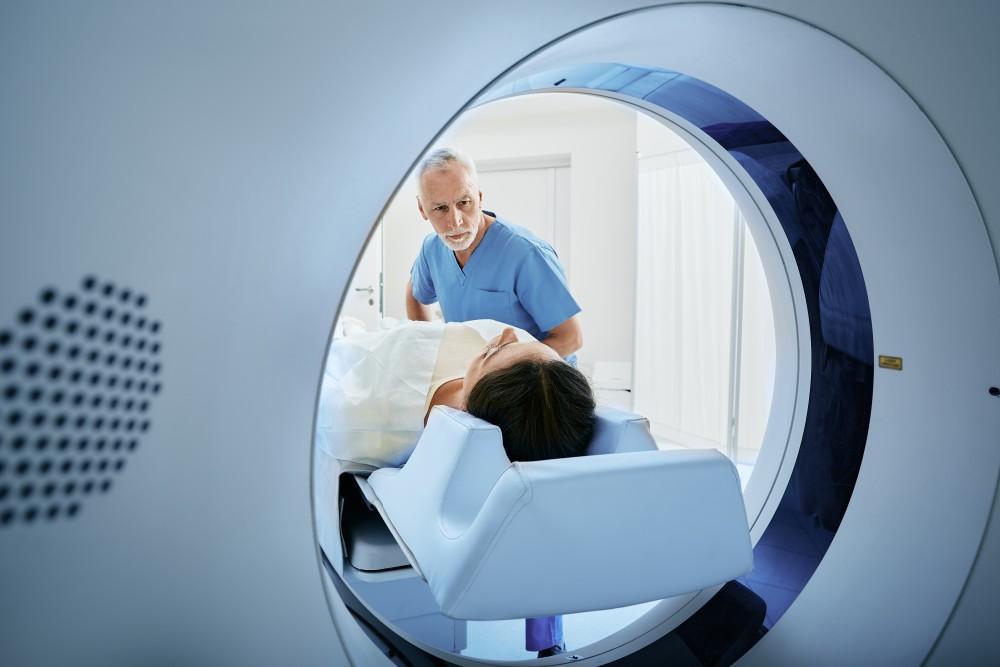
This often involves a CT scan to create detailed images of the treatment area.
During simulation, you may lie on a treatment table while we determine the best position for delivering radiation. Depending on the treatment area, we may use a custom cushion, mold, or other positioning device to help you remain comfortable and still.
We may also place small marks on your skin to help guide positioning during future treatments.
These preparations allow our team to develop a personalized radiation plan before your first treatment session.
Simulation may take place on a different day from your initial consultation, depending on your needs and treatment schedule.
How can you prepare for your first visit?
You don’t need to memorize your medical history or arrive knowing everything about radiation therapy. A little preparation can simply help the appointment go more smoothly.
Consider bringing:
- Your insurance card and photo ID
- A list of medications and supplements
- Relevant medical records or imaging, if requested
- Questions you’d like to ask
You may also want to bring a trusted family member or friend to help you remember important details.
Wear comfortable clothing, and don’t hesitate to tell us if you’re feeling anxious. We want you to feel heard and supported throughout the process.
Will radiation treatment hurt?
This is one of the most common concerns people have before starting treatment.
External beam radiation itself is painless. You won’t feel the radiation entering your body, although you may hear the treatment machine moving around you.
Side effects can develop during or after treatment, but they vary from person to person. We explain what to watch for and how to manage symptoms if they arise.
And remember, your first consultation is generally about planning your care, not delivering radiation.
Your questions are always welcome
Starting cancer treatment can feel overwhelming, but you don’t have to figure everything out on your own.
At Greater Houston Radiation Oncology, we combine advanced radiation technology with compassionate, individualized care. We take the time to explain your options, answer your questions, and help you understand each step.
If you’re preparing for radiation therapy, contact one of our Houston or Huntsville offices to schedule a consultation. We’re here to help you move forward with greater clarity and confidence.